Activity Laboratory

Our Research Laboratory
The primary objectives of HEAL, through our program of scientific research, are the following:
-
Explore the relationship between eating, activity, and sedentary behaviors to better understand factors that impact on energy balance.
-
Develop innovative and effective treatments for children and adults that lead to eating and activity habits that meet current recommendations.
-
Improve the effect of state-of-the-art lifestyle interventions on weight gain prevention, weight loss, and weight loss maintenance in children and adults.
-
Translate evidence-based lifestyle interventions into community and practice-based settings.
-
Provide training to students interested in applied obesity research.
-
Develop client-centered counseling skills.
-
Implement behavior modification strategies to assist with changing energy balance behaviors.
-
Refine dietary, physical activity, and sedentary behaviors assessment skills.
-
Acquire skills, such as the ability to manage and statistically analyze data, important for conducting evaluations.
-
Understand how evidence-based guidelines are developed and implemented in practice-based settings.
-
Improve writing skills for developing materials, and proposal/grant and manuscript submissions.
The Team

Hollie Raynor, PhD, RD, LDN
Executive Associate Dean of Research and Operations
Hollie Raynor is the Director of the Healthy Eating and Activity Laboratory. She has training in the fields of nutrition and clinical psychology. She received her master’s degree in Public Health Nutrition from the University of Tennessee, Knoxville, her doctorate in clinical psychology from the University at Buffalo, and completed her pre-doctoral internship and her post-doctoral fellowship, both with an emphasis in obesity research, at Brown Medical School. Following her fellowship she was promoted to an assistant professor of research in the Department of Psychiatry and Human Behavior at Brown Medical School and was based in the Weight Control and Diabetes Research Center (http://www.weightresearch.org/) . She joined the Department of Nutrition at the University of Tennessee, Knoxville, as an assistant professor in 2007. She also has an adjunct appointment in the psychology department (http://psychology.utk.edu/) at the University of Tennessee, Knoxville. She is currently a full professor and the Executive Associate Dean of Research and Operations for the College of Education, Health and Human Sciences. She has published over 150 peer-reviewed articles, and has received funding from the National Institutes of Health, American Diabetes Association, and the Academy of Nutrition and Dietetics Foundation for her research. She served as a member of the National Committee for Clinical Guidelines for Obesity for the American Psychological Association and as a member of the Academy of Nutrition and Dietetics’ Prediabetes and Adult Obesity Treatment Evidence Analysis Library Committee. She is currently a member of the Dietary Guidelines Advisory Committee. Her research interests are on identifying best methods to implement behavioral dietary factors that improve outcomes in obesity treatment (i.e., limiting variety, reducing energy density, shifting distribution of energy intake earlier in the day), and translating lifestyle intervention into practice-based settings (i.e., integrated primary care).

Emilie Holloway
Research Associate
Emilie Holloway is a research associate in the Healthy Eating and Activity Laboratory. She received her bachelor's degree in human biology from North Carolina State University, her master's degree from Meredith College in human nutrition with a concentration in clinical dietetics, and completed her dietetic internship to become a registered dietitian. Emilie recently completed her PhD in implementation science and community nutrition at the University of Tennessee, Knoxville. Her research interests are focused on behavioral nutrition interventions to support enhance diet and health outcomes in children and adults, and enhancing dietary assessment methodologies across the lifespan. Emilie will begin a postdoctoral position in August of 2026.
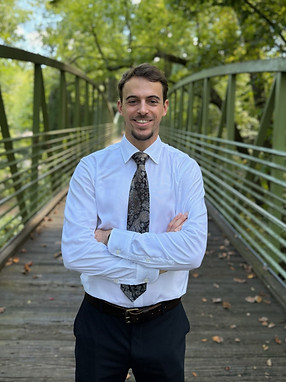
Tilman Jedlitschka
Graduate Research Assistant
Tilman Jedlitschka is a senior research assistant in the HEAL laboratory. He earned his bachelor's degree from Johannes Gutenberg University Mainz and his master's degree in sport health science with a concentration in nutrition from Life University, where he competed in collegiate track and field. His research focuses on the intersection of exercise, cognition, and nutrition. He is particularly interested in understanding how these factors influence health, human performance, and overall well-being. Tilman is particularly interested in the mechanisms through which physical activity and nutritional strategies affect cognitive function and long-term health outcomes across diverse populations. Tilman's work involves developing and evaluating evidence-based behavioral interventions that promote cognitive function, physiological health, and overall quality of life.

Addy Mench
Graduate Research Assistant
Addy Mench is a graduate research assistant in the HEAL laboratory. She earned her Bachelor of Arts in Psychology, with a minor in Counseling, from Auburn University in Spring 2024 and is currently pursuing a Master of Science in Clinical Mental Health Counseling at the University of Tennessee, Knoxville. Addy’s research focuses on behavioral interventions and explores the intersection of nutrition and psychology. She is particularly interested in understanding how lifestyle-based approaches may help address low-grade mental health concerns. Through her work, she aims to advance understanding of the role functional nutrition may play in supporting mental health and overall well-being.

Emily Cummings
Graduate Research Assistant